
Prevention checklists
Gutter Maintenance Checklist for Every Season
By the V&V Seamless Gutters crew · Published and updated November 1, 2026
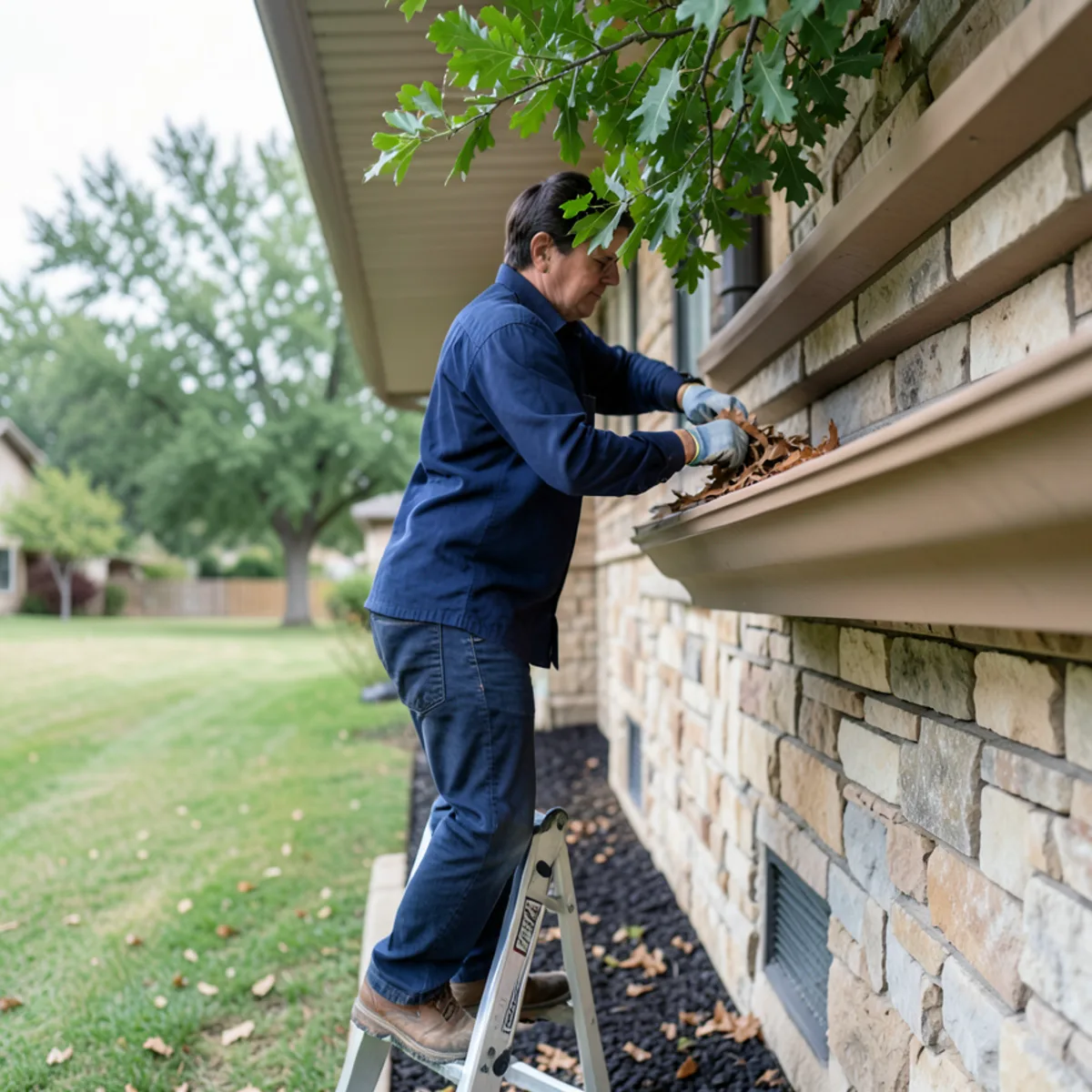
A useful gutter maintenance checklist for Central Texas follows the local calendar. Clear the gutters after live oaks shed in spring, test them before the May rains, fix them in the dry heat of July, and clear them again as fall storms arrive. Most of the list takes an hour or two and can be done from the ground.
Gutter maintenance checklist at a glance
Print this table and keep it with your home records. The timing suits Central Texas. Move a task earlier if your trees or storms run early.
| Season | Main job | Why then |
|---|---|---|
| Late winter to spring | Clear oak leaves, check downspouts | Live oaks drop old leaves as new ones emerge |
| Before May | Run a water test, check hangers | May is the wettest month, at 5.13 inches on average |
| Summer | Make repairs, inspect sealant and fascia | July is the driest month, at 1.93 inches on average |
| Fall | Clear gutters, check discharge | Leaves and storms arrive together |
| Winter | Look over the eaves after hard weather | A quiet time to plan any replacement |
Would you rather hand the ladder work to someone else? Call (208) 464-4195 and ask about gutter cleaning.
- 4.5★ from 36 Google reviews
- Free estimates
- Run by owner Victor and his son Omar
What should you do in spring?
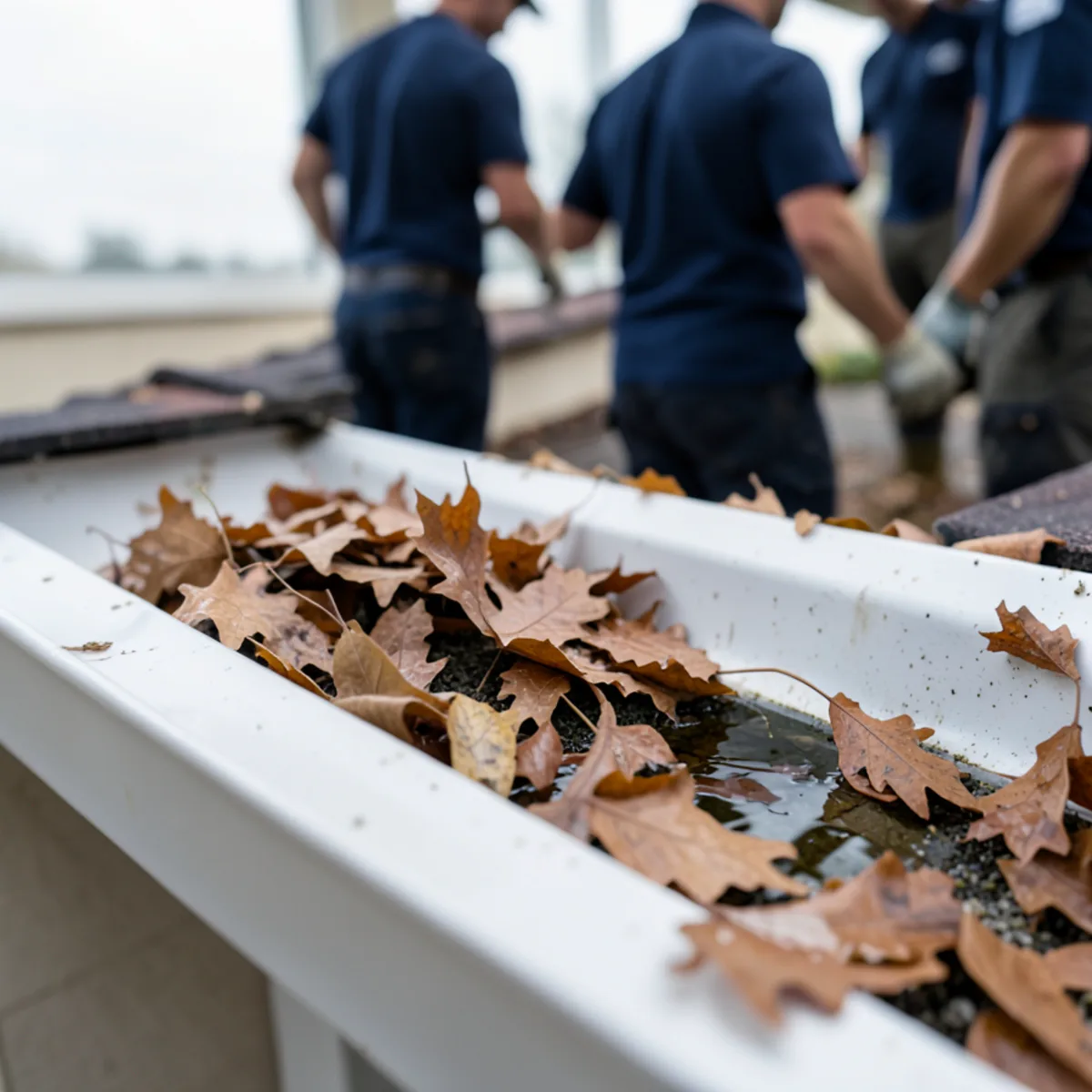
Spring is the heavy job here. Texas A&M's Plant Clinic explains that live oaks drop old leaves as the new ones emerge, and the trees can begin to look rough as early as late January and February. Wait until most of that drop is done, or you may clean twice.
- Scoop the leaves and tassels out of every run, working toward the downspouts.
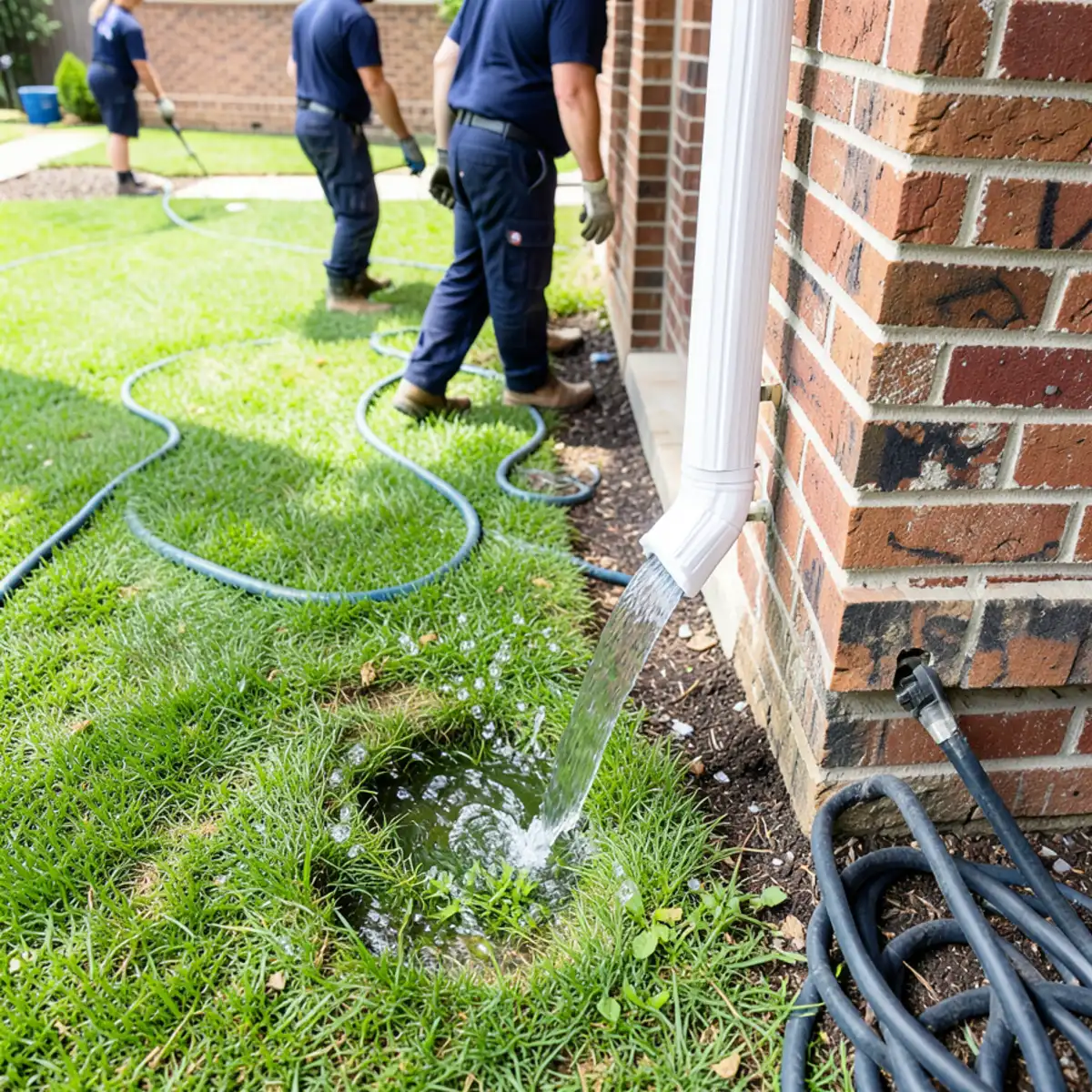
- Flush each run with a hose and watch the water leave at the bottom of the downspout.
- If a downspout backs up, clear it before the rain does it for you. Downspout unclogging is a common fix.
- Rinse any guards. Pollen films over fine mesh this time of year.
- Check for bird nests in downspout openings and around corners.
Before May, do one water test. The NOAA 1991-2020 normals show Austin's annual rain at 36.3 inches across about 86 wet days, and May is the peak. Run a hose at the high end of each run and look for drips at corners, end caps and anywhere water stands.
What should you do in summer?
Summer is for fixing what spring exposed. Dry weather makes sealant work easier, and nobody is waiting on the next storm.
- Reseal any corner or end cap that dripped in the water test.
- Press gently on the gutter from a ladder. It should not move. A loose run needs new hangers.
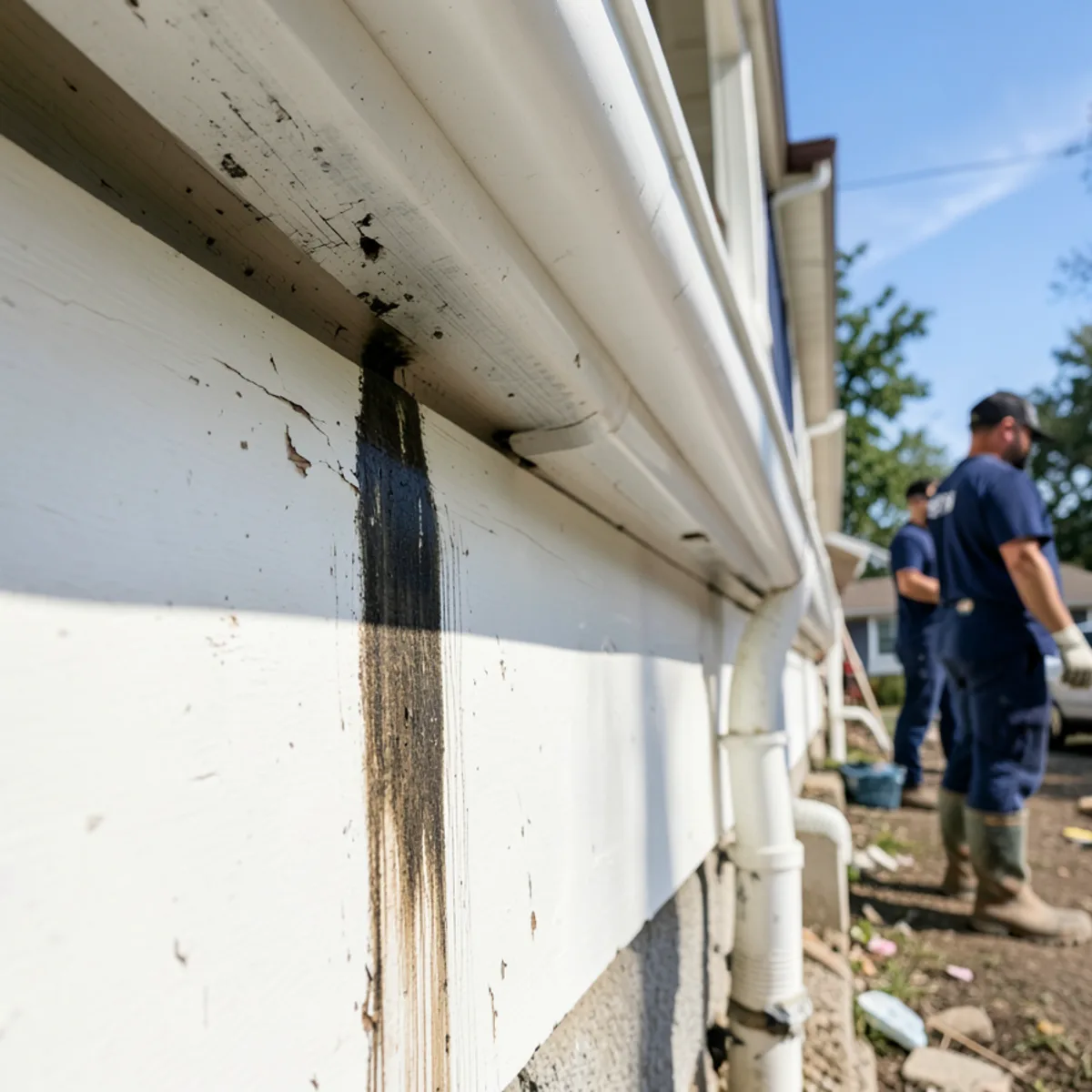
- Look at the fascia for peeling paint, soft spots or dark stains behind the gutter.
- Check that the AC drain line is not dumping at the slab. If it ties into a downspout, make sure that joint is tight.
- Walk the discharge points. Dry clay pulls away from slabs in summer, so check that extensions still point away from the house.
Fall and winter tasks
Fall brings a second round of leaves from any trees that do drop in autumn, and storms can arrive while the gutters are still full. Delaware's environmental agency suggests clearing gutters about twice a year, in spring and early fall, and any time clogging occurs. The twice-a-year habit holds up here, even though the spring date does most of the work.
- Clear the gutters once the leaves are mostly down, and again if a storm drops a load of debris.
- Confirm that extensions carry water 6 to 10 feet from the foundation, and never less than 5 feet on clay.
- After a hard freeze or a windstorm, look along the eaves from the ground for gaps, drips and bent sections.
- Note anything that needs repair so you can schedule it before spring.
Winter is also the time to think about the bigger questions. If the same run has needed attention every season, ask if it should be repaired or replaced. If you have spent every spring on a ladder, price out a guard, and remember that guards cut cleaning but do not end it.
Ladder rules before you start
OSHA's portable ladder safety card lists rules that apply at home too. The base should sit a quarter of the working length from the wall. An extension ladder should reach at least 3 feet above the point of support. Keep three points of contact, two hands and a foot or two feet and a hand, and do not stand on the top three rungs. Use the ladder on stable, level ground, and look for overhead power lines before you lift it. A metal ladder and a power line are a bad mix.
If the house is two stories, the ground slopes or you are not comfortable up there, hire the work out. Nothing on this list is worth a fall. Gutter cleaning is simple to book.
What to keep in the garage
The whole year runs on a short kit: work gloves, a plastic scoop, a bucket on a hook, a hose with a spray wand, a stiff screwdriver for checking fascia, and exterior gutter sealant. Add your phone for dated photos. A plastic scoop will not scratch the coating on a painted gutter, and a bucket keeps wet sludge off the lawn and the roof.
Small misses that turn into repair bills
Across the trade, the same maintenance misses come up often.
- A clean-looking gutter with a clogged downspout. The elbow at the top is the usual spot.
- Extensions kicked aside by a mower and never put back.
- Sagging that started as one loose hanger and spread as wet debris added weight.
- Fascia stains that went unnoticed because nobody looks up from the driveway.
Order matters more than effort. Clear the trough first, then flush, then water-test, because a test on a dirty gutter only tells you it is dirty. Seal a joint only after it is clean and dry, since sealant laid over grit lets go. Keep pressure washers away from sealed corners and hangers. And if you have to skip a job, skip the summer look before the spring clear-out. A missed spring date meets May with a full gutter. A missed summer date usually costs you a few weeks.
When to stop and call
Some finds are past the checklist. Soft fascia, hangers pulling out of the wood, a run that holds water after you have cleared it and any section you cannot reach safely are repair jobs. Sealing over those problems only hides them until the next heavy rain.
Rebuilt homes and modern roof lines
Rebuilt homes in places like Rollingwood often have modern roof lines that change the list. Long simple runs are easy. Valleys that send a whole roof slope to one short gutter section are not, because that section can fill and overflow while the rest stays dry. Watch those spots during the first big rain of the year and flush them first when you clean. If one section always overflows, a gutter repair visit can show if it needs another downspout or a larger gutter.
Keep the list short
Four things prevent most gutter trouble: clear debris, test the flow, fix small leaks and keep water moving away from the foundation. Do those on the seasonal schedule above and the rest tends to take care of itself.
Keep a one-line note for each visit: the date, the side of the house, what you found and what you did. After a year you will see which run clogs first, and that note tells a contractor more than memory will. If the list turns into too much ladder, call us about residential gutter cleaning and ask us to point out anything loose while we are up there.
Sources
Common questions
What is the most important gutter task of the year in Austin?
Clearing gutters and downspouts after the spring live oak drop, right before the May rains. That timing removes the biggest debris load just ahead of the wettest month on the NOAA normals. If you only do one job a year, do this one, then run a hose through each downspout to confirm it flows.
Can I do a seasonal gutter check from the ground?
Most of it. From the ground you can spot sagging, stains, gaps at corners, plants growing in the trough and loose extensions. A hose test also works from the ground on one-story homes if you have a spray wand. Cleaning a full trough and checking fasteners still takes a ladder or a hired crew.
Do gutters need any attention during an Austin winter?
Yes, but only a light check. Texas A&M's Plant Clinic says live oaks can start to look rough as early as late January, so look along the eaves then and note what is building up. Winter is also a good window to book repairs, so a loose run is fixed before May, Austin's wettest month.
Does a rebuilt Rollingwood home need a different gutter routine?
Often, yes. Rollingwood covers just 0.7 of a square mile, and many rebuilds put a bigger roof on an old lot. A design that gathers one large roof plane into a short eave will overflow there first. Flush that section before anything else, and check that discharge is not landing on the neighbor's side.
About the author
Written by the crew at V&V Seamless Gutters, the Austin gutter company run by owner Victor and his son Omar. Read more about us or see what customers say.
Related service: gutter cleaning in Austin. We also work in Rollingwood.
Have a gutter question this article did not answer?
- 4.5★ from 36 Google reviews
- Free estimates
- Run by owner Victor and his son Omar